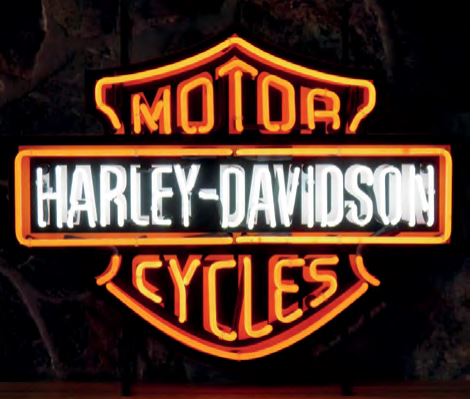
Despite an apology, the seller would not commit to a formal cease-and-desist, leading to litigation. In court, the defendant’s core argument was that Harley-Davidson’s trademarks were not registered for lighting products and therefore infringement was not possible. The court, however, found that the use of a globally recognized mark—even outside the strict goods category, constitutes taking unfair advantage of that reputation.
The webshop was held liable for infringement and required to both cease sales and compensate Harley-Davidson for legal costs, despite their claim of good faith sourcing. In practical terms, this case underscores for resellers that regardless of “grey area” product categories, the fame and reach of a trademark are critical in risk assessment and due diligence. The advice is clear: ensure authorization of mark use with suppliers and obtain contractual indemnity before entering into any merchandising arrangement.