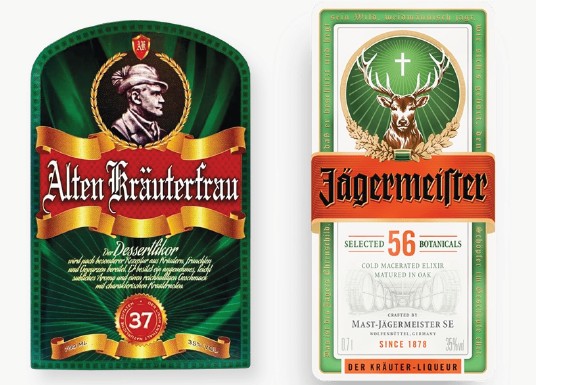
Initially the case goes sideways because the authorities look only at likelihood of confusion, which is rejected as the word elements are entirely different.
Jägermeister, however, has a second iron in the fire: the reputation of its earlier mark. The goods are identical. The later sign uses a similar shade of green, Gothic style lettering and a hunter’s hat, naturally evoking the idea of hunting deer. Together, these elements lead the relevant public to make a mental association with Jägermeister, even without literal confusion. The later mark is found to take unfair advantage of the earlier reputation and the application is refused. Free riding on a famous look and feel may seem clever, but as an “inspired” trademark strategy, it rarely ends well.