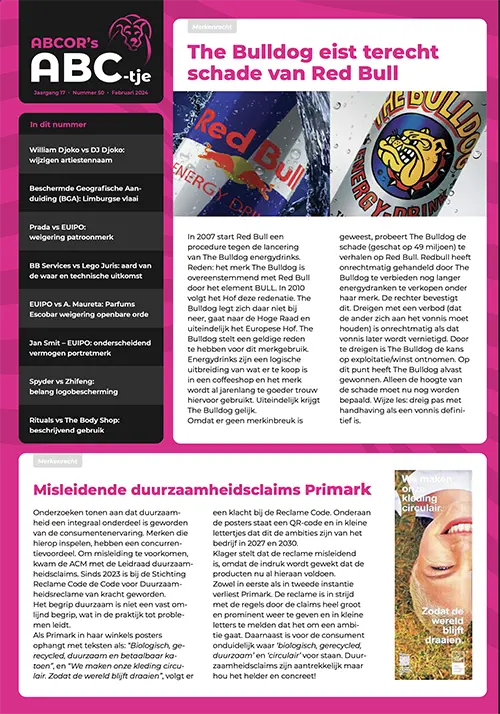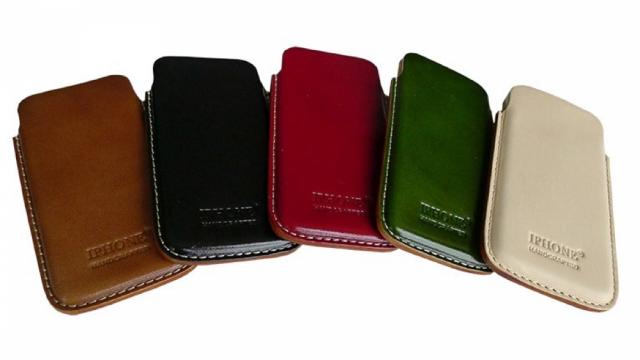
Well-known trademarks have a broad protection. The holders of these trademarks can act against unfair use of their trademarks, even if used for other products. However, the titleholder has to prove that the trademark was well-known at the moment that a third party applied for an identical or similar trademark. Apple experienced this first hand in China.

Trademark protection is always limited by territory. A Benelux trademark is limited to its borders and usually not beyond. The consequence of this territorial limitation is that it is possible to file trademarks in the Benelux that are similar to older foreign trademarks. This summers the European Court has judged on whether a foreign trademark proprietor may invoke the reputation of his trademark to stop a new application.
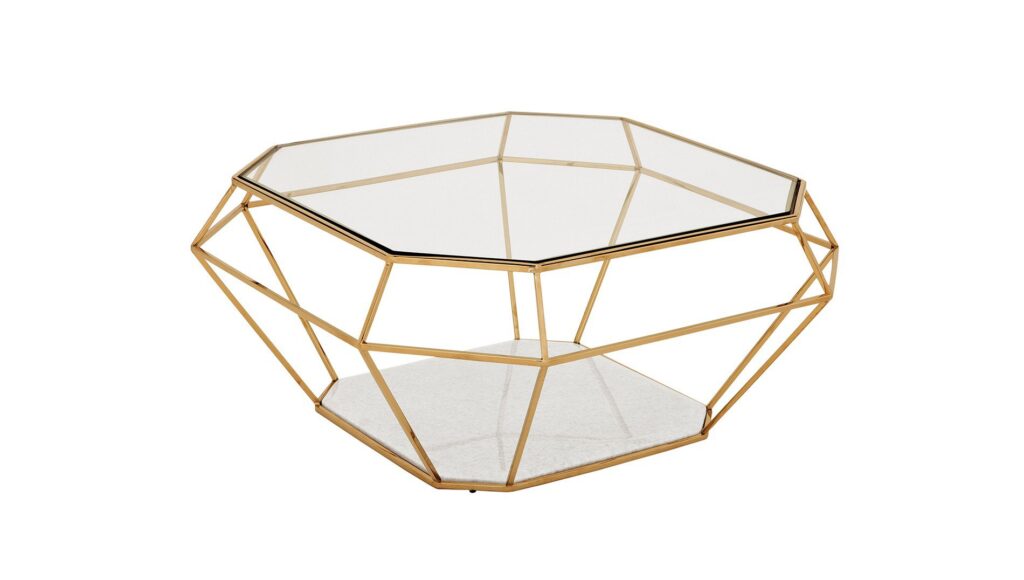
Eichholtz sells furniture in all of Europe. At a exhibition in Paris it shows its new tables. The tables are made of glass in a frame with eight corners (colours in gold and nickel) with a bottom plate made of marble. To protect its rights both tables are filed as European designs. When a similar table appears on the market Eichholtz demands a prohibition on this. The other party claims that the design registrations are not valid. The design would not be new and does not have its own character since it has the same shape as the Ascher-diamond. The main question is whether use of the same design for a different product affects novelty.

The advertising commission received a complaint about a liked message on the Facebook account of a grand café. The ad shows Patsy and Edina, who are apparently famous for being in a TV show called “Absolutely Fabulous”. The ladies claim that:
“If anyone tells you it’s too early to drink wine… unfriend them. You don’t need that kind of negativity in your life!”.
The plaintiff states that this message is in contravention with paragraph 14 of the Advertising Code. It encourages people to start drinking early and pretends that the risks of addiction are something to laugh at.
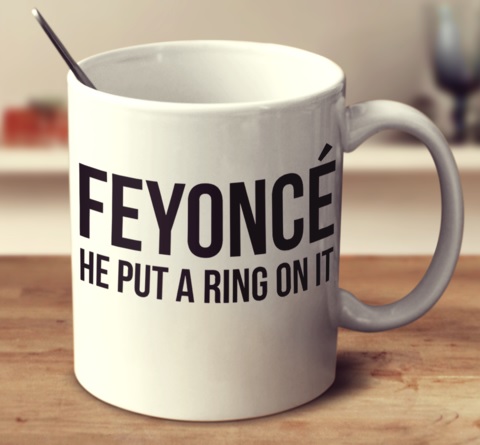
Using a trademark in a joke about the latest news is mostly allowed as a parody. However, where is the crossing line between making a parody and commercially profiting? We see this question arise repeatedly when companies use well-known trademarks or persons in a humoristic way in their marketing.

In Europe there are certain guidelines one must follow when it comes to packaging of products. It is important that the packaging does not mislead the consumer as to the products and their ingredients. But where exactly is the line that determines what is and what is not misleading?
German manufacturer Teekanne sells tea under the name Felix Himbeer-Vanille Abentuer. On the packaging raspberries and vanilla blossom is depicted and it states “fruit tea with natural aromas” it also has a seal that says “only natural ingredients”. A look at the listed ingredients, however, clearly shows that there are no natural elements in the tea at all.
Call us: 071-5763116 or send an e-mail: info@abcor-ip.com
Een korte introductie tekst over de nieuwsbrief waarin je uitlegt wat het is. Hoe je direct de nieuwste editie kunt lezen en hoe je je kunt abonneren. And click here for all the numbers.
Among others in this issue:
• EUIPO vs Mora TV: weigering geluidsmerk
• Jägermeister vs Alte Heiler: stop Russische copycat
• Stichting Nederlandse Top 40: gericht op Benelux?
• Tijdschrift HART vs Hermitage: soortgelijkheid
• Monique Granneman: nieuwe partner Abcor