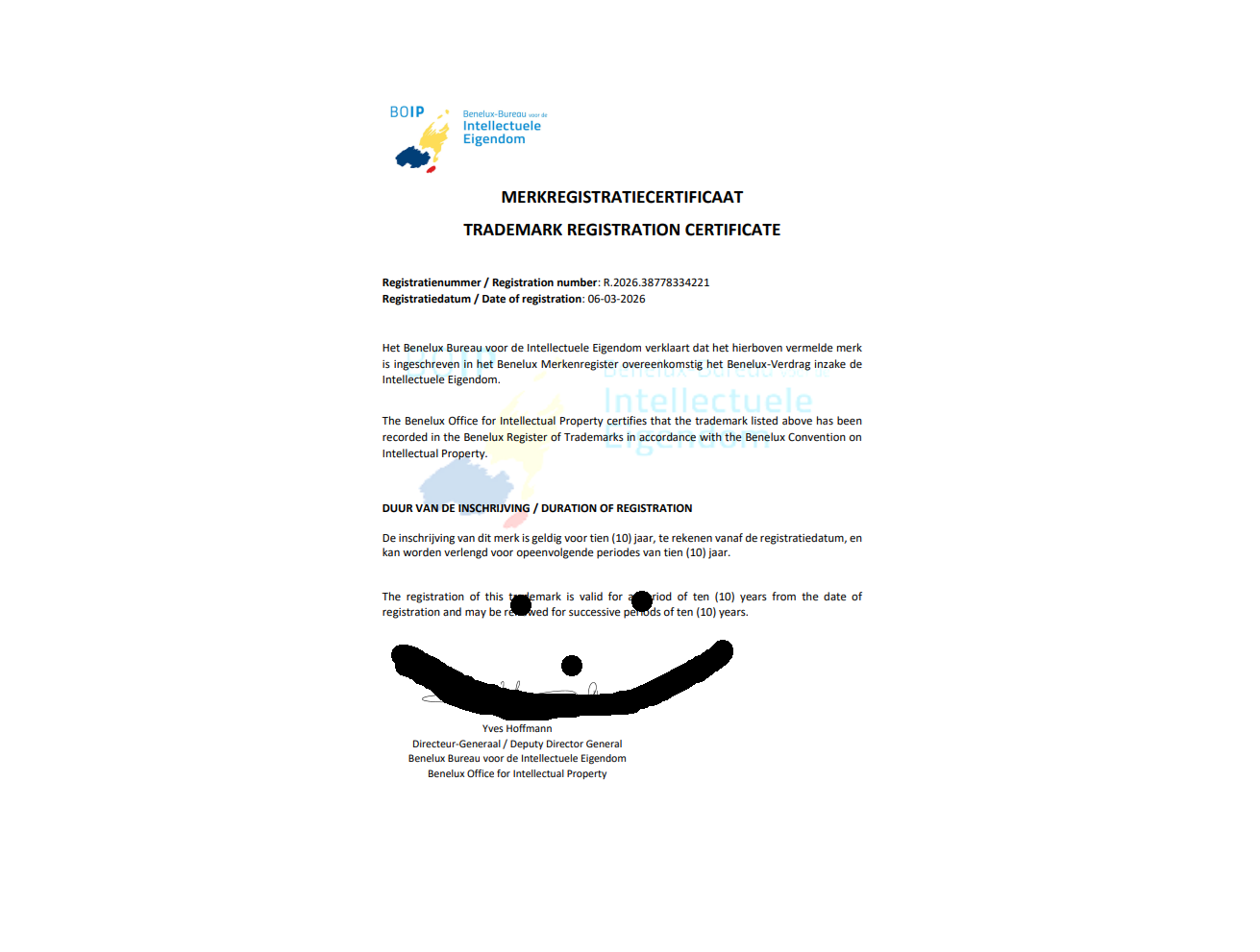
Since this spring, many unsuspecting applicants have been receiving an email directly at the email address listed as the contact address on their own website. The sender appears to be BOIP, the Benelux Office for Intellectual Property, the official authority in the Benelux where trademarks are registered. The recipient is asked to pay approximately EUR 1.800 within a few days, otherwise the trademark application will lapse. Sender: one of BOIP’s legal officers. To top it all off, a letter is attached, bearing BOIP’s logo and signed by BOIP’s director. However, if you look closely, you will see that the email address is not from BOIP, although the name
Due to the structure of the online trademark register and the rise of AI, the red carpet is being rolled out for crooks to send this type of ghost invoice. In the online register, the name of the proprietor can be viewed by anyone, including automated scripts used by these criminals. If those details were not directly visible, as is the case for example with the domain name register of SIDN, but could only be requested after verification, for instance through a personal account with the authorities, the problem would already be largely resolved.
Some fraudsters specifically target trademark renewals, often charging absurdly high prices. This group would immediately be sidelined if the trademark authorities once again required a power of attorney when a new representative is appointed. Only if the new representative can submit a signed power of attorney should the trademark authorities be allowed to renew a trademark, which is the normal procedure in most countries worldwide.
The current practice provides an additional incentive for SMEs not to file applications themselves, but always to do so through a recognised BMM trademark attorney. In principle, any correspondence from third parties about trademark applications and invoices should immediately set off alarm bells. SMEs would of course benefit greatly if the title of trademark attorney were simply protected, comparable to the title of lawyer. An earlier proposal to that effect unfortunately failed in the Senate at the beginning of this century for political reasons. If the title of trademark attorney were protected, the wheat would be separated from the chaff more quickly, and SMEs with complaints could turn to the Supervisory Board of the BMM.
As for blatant fraudsters who do nothing except collect money on improper grounds and pretend to be the official trademark authorities, as in this case BOIP, one can only hope that the authorities will take very firm action against them, preferably through criminal proceedings by the Public Prosecution Service if possible. For now, the message is: be warned. Even if you receive letters or emails that appear to come from the trademark authorities, or are even signed by the director, do not fall for it, do not pay anything, and consult your trademark agency.