Since the 1930s, Lacoste has been selling polo shirts bearing the famous crocodile logo. From the 1950s onwards, the brand goes global. Over the decades, the now‑iconic reptile has spawned a steady flow of enforcement actions aimed at keeping other crocodiles off shirts and sweaters. These days, Lacoste does not just argue similarity, it routinely plays the well‑known‑mark card as well.
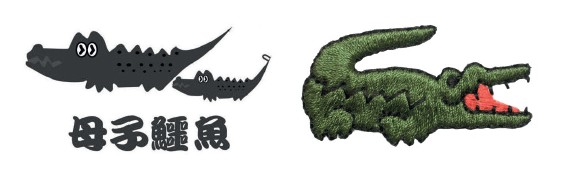
When a logo with two crocodiles is filed as an EUTM, Lacoste opposes, relying inter alia on the reputation of its earlier mark. To substantiate this, it produces extensive evidence of use and market presence. A sizeable part of that material concerns use in the UK which, post‑Brexit, no longer counts as use in the European Union and therefore drops out of the equation.
What remains, combined with survey evidence, is still sufficient to establish that the crocodile is well known for polo shirts, particularly in France. Visually, the marks show some similarity; conceptually, they are very close, as both signs feature a crocodile. Given the reputation of the earlier mark, the French public is deemed to make the link and to perceive the later sign as free‑riding on Lacoste’s reputation in order to boost sales of its own clothing. For those goods, the application is refused. No mental link is assumed, however, for online marketing and advertising‑type services, given the different public, markets, purposes and nature of those services.